About Us
WHAT IS THE AIR LEAGUE?
The Air League was formed in 1909 with the object of encouraging the nation to appreciate the vital importance of air superiority. Perhaps the most lasting achievement of the Air League in its first 30 years was to found the Air Defence Cadet Corps in 1938, which is now the Air Cadets. Over 100 years after it was formed, the Air League’s mission is to enhance national understanding of the importance to the UK of aviation and aerospace, and to excite young people’s interest in these areas by helping them get involved.
The Air League has four main objectives today:
- To promote the importance of air power to the UK Defence and Security Policy. Without helicopters, the nation cannot operate effectively and safely either in operations in Afghanistan or in providing famine or flood relief. Without control of the air, the UK cannot protect its national airspace from 9/11-type attacks and the Army or Royal Navy cannot operate effectively and safely when put in harm’s way. Without offensive air power delivered from over the horizon, UK forces cannot get up “close and personal” to enemies at an acceptable level of risk or stop bad people in their tracks.
- Turning to the aerospace industry, the Air League strongly believes that national wealth depends on making things. The UK’s aerospace industry has an annual turnover of some £20 billion and employs some 115,000 people in high-value jobs. 40% are graduate engineers or managers: 30% are highly-skilled technicians. Exports are valued at £12 billion. The UK defence industry as a whole, which includes a very significant aerospace element, generates a £35 billion turnover with 305,000 jobs. This represents 10% of the manufacturing jobs in the UK. Research and Development expenditure in aerospace and defence pays dividends. The UK can boast world-beating, leading edge technology in engines, aerostructures, solid state airborne radars and defensive aids. Some of this crosses over into Formula 1 racing cars.
Thirdly, the League supports flying aircraft from microlights to jumbo jets though, of the 21,000 UK registered aircraft, over 90% are in the General Aviation sector. Air travel is an integral part of modern life and of a competitive, knowledge-based economy. In the UK, aviation supports 200,000 jobs directly and 500,000 indirectly. It contributes £11.5 billion to the UK Gross Domestic Product. In the five London Boroughs adjacent to Heathrow, 1 in 15 people work at the airport. The Department for Transport predicts that passenger throughput at UK airports will rise from 270 million today to 480 million by 2030. By then, global aviation will support 26 million jobs and if aviation was a country, it would be a member of the G20. Meanwhile, the aerospace industry has delivered a 50% improvement in fuel efficiency in the last 30 years and a 75% reduction in noise nuisance. While aviation contributes 2% of all man-made CO², 80% comes from flights of over 1,500 km for which there is no practical alternative.
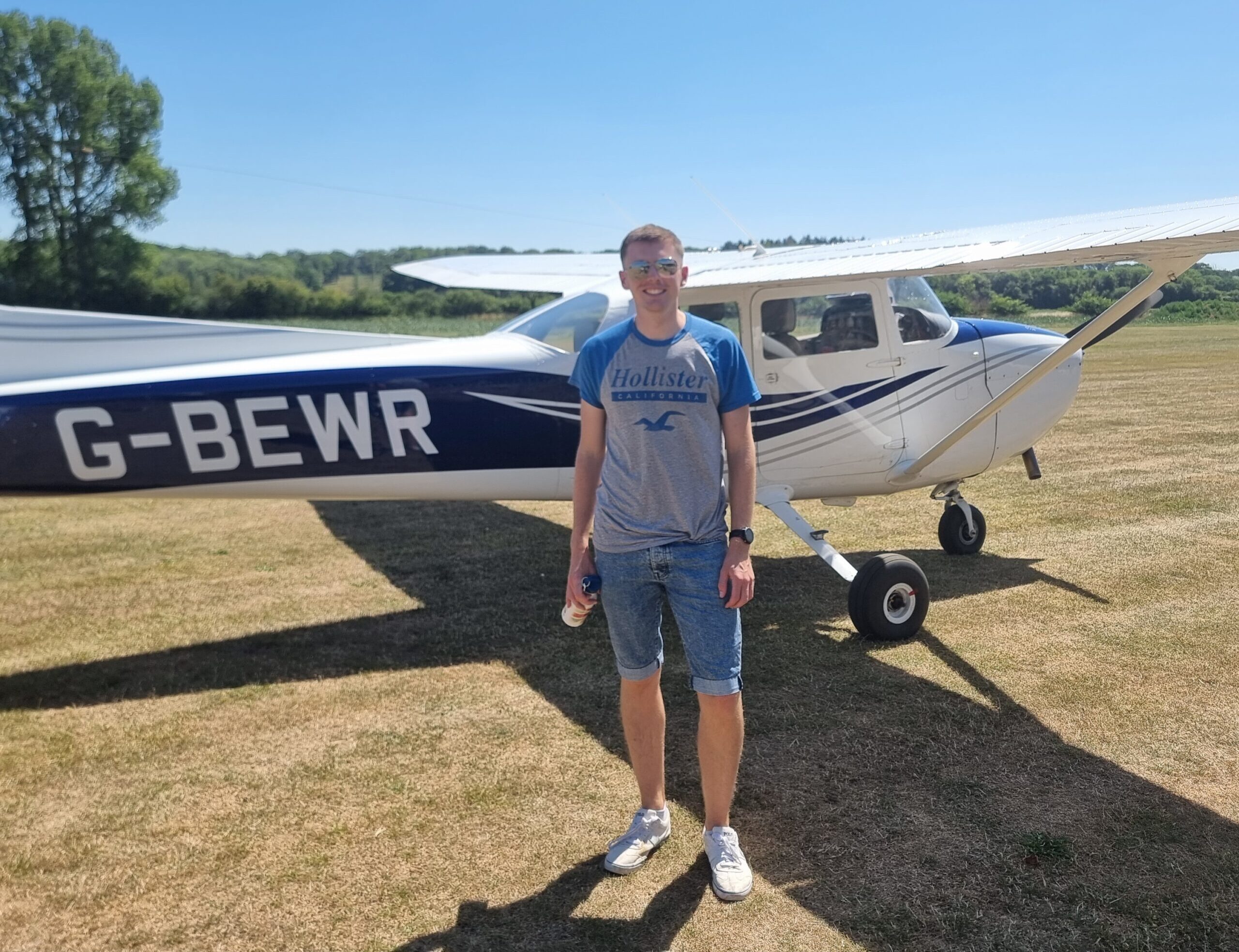
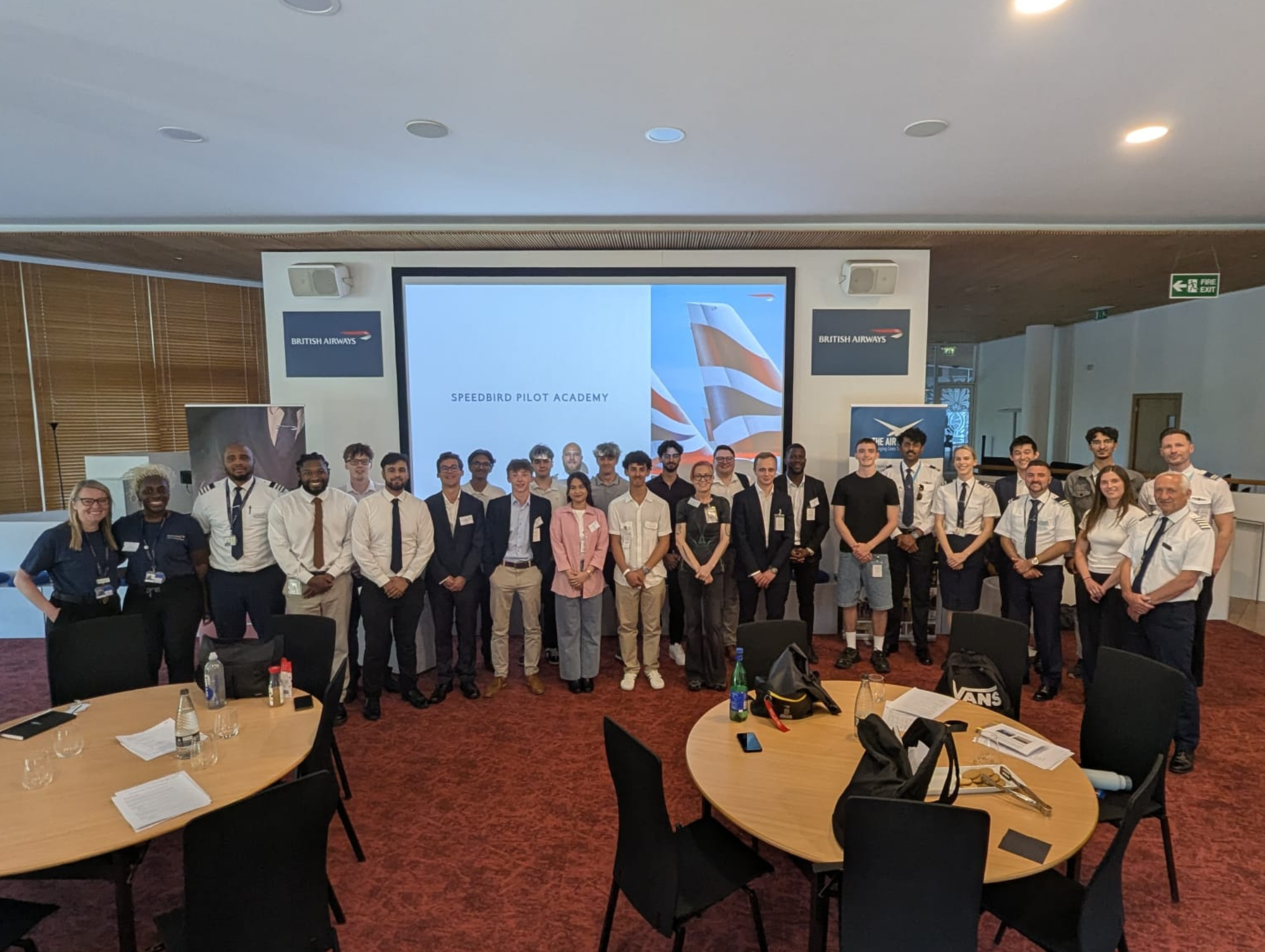
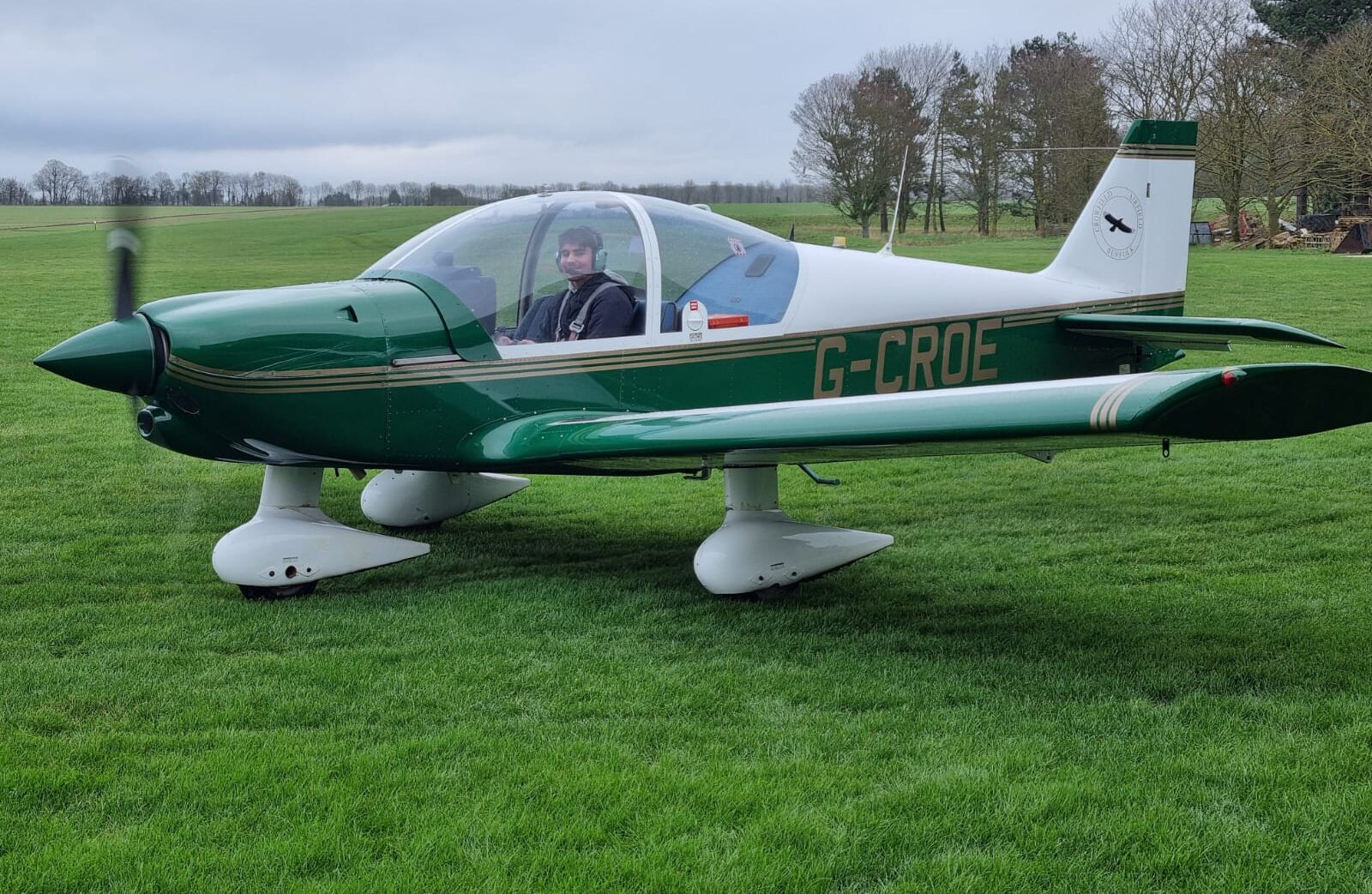
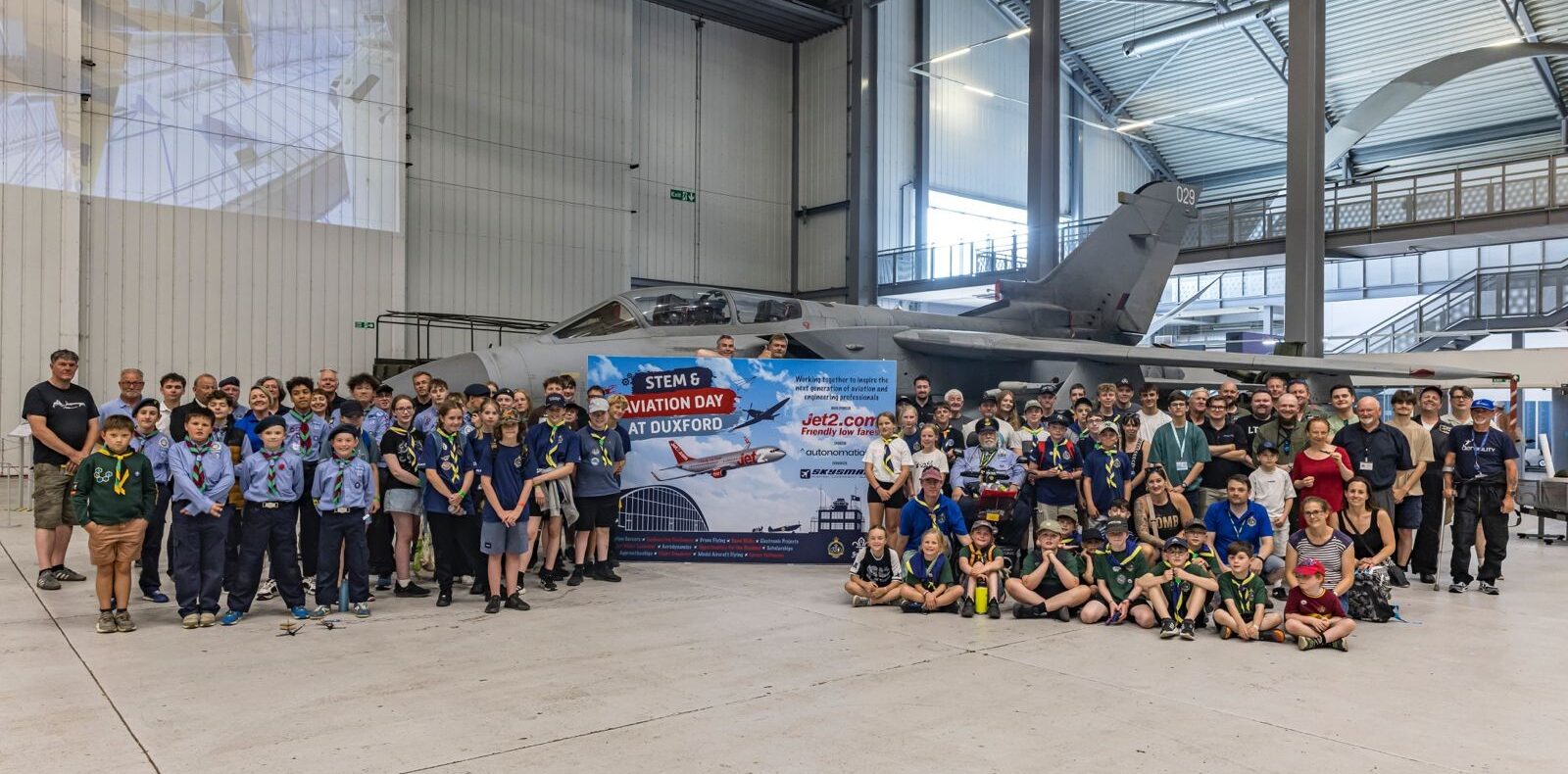
- The Air League reaches out to young people from all backgrounds by giving them the opportunity to fly and access careers in the aviation industry. The League is the largest provider of flying and engineering scholarships for young people in the UK. Over the last 10 years it awarded more than £1 million worth of training. A standard flying scholarship is intended to get a young person up to solo level – a great personal achievement. The League has encouraged aeronautical engineers, airline pilots and military aircrew. Flight Lieutenant Kirsty Moore, the first female member of the Red Arrows, started as an Air League Scholar. A flying scholarship costs us £2,500 and the League is eternally grateful to those who sponsor our programme. The Air League aims to bring our scholarship programme to an increasing number of young people from urban and relatively deprived backgrounds so that they too can be excited and stimulated by aviation and flying. The Air League – Leading Edge, which encompasses all members up to the age of 35, encourages air-mindedness among young people and gets them involved in aviation by organising discussion on issues such as aviation and the environment. In sum, no-one other than The Air League is working in quite the same way to fuel the sustainability of the talent that the UK needs. Today’s school children are tomorrow’s team: they will be the ones we need to safeguard our security and help build our businesses.
To help get these messages across, the Air League has strong links with the Associate Parliamentary Aerospace Group (APAG) which was formed 16 years ago. Normally through APAG the Air League arranges a number of briefings in Parliament each year on aviation and aerospace, and around 220 parliamentarians from both Houses are in the APAG. Its prestigious John Slessor and Andrew Humphrey Lectures are part of the important role that the Air League plays in educating and influencing Whitehall, opinion formers and the media.
A Message from our Patron HRH Prince Philip Duke of Edinburgh
In 1909, when The Air League was founded, aviation was in its infancy, but the founders had the vision to recognise its potential for civil and military use. The Air League has never lost that vision and is as active as ever in promoting an interest in aviation among young people through the offer of Flying Scholarships and Bursaries; in supporting the development of effective military aviation; in stimulating internationally competitive aircraft manufacturing and air transport industries and in encouraging general aviation in this country.